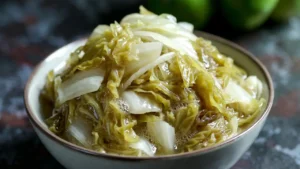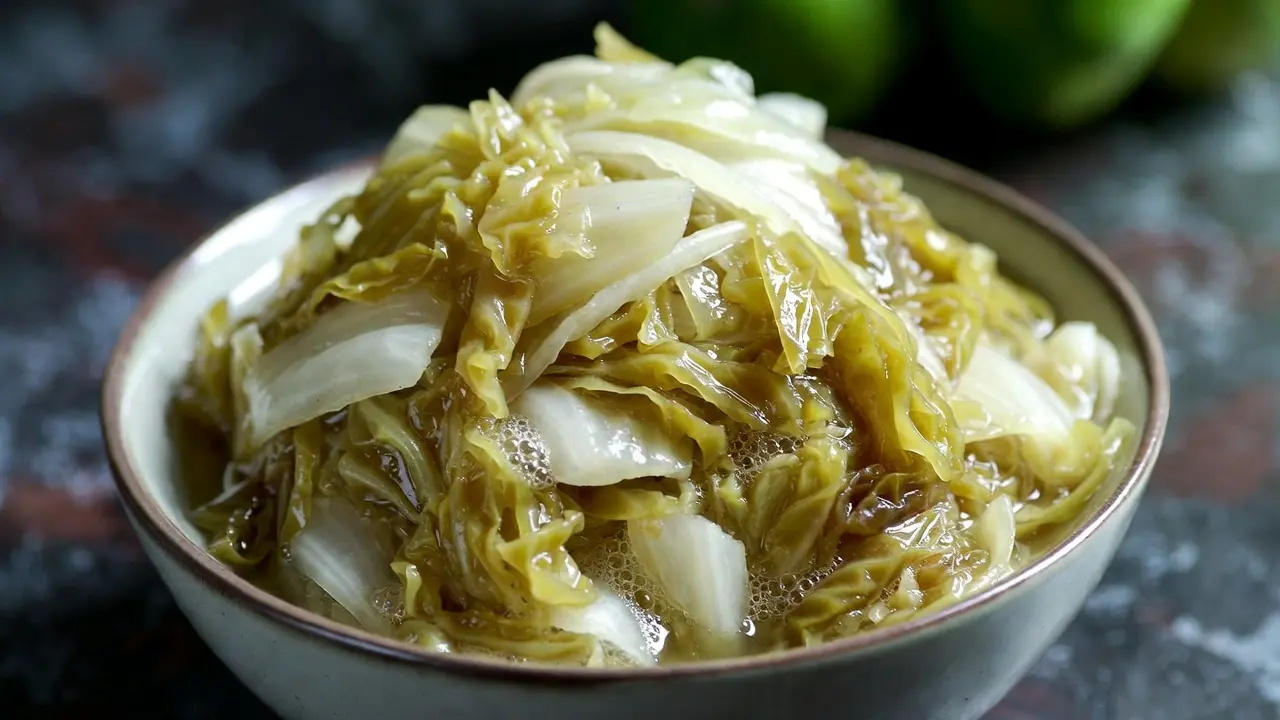
Fermented Cabbage is one of those timeless kitchen traditions that feels both ancient and surprisingly modern. The first time I made it, I remember standing at my counter, hands deep in freshly shredded cabbage, marveling at how something so humble could transform into something deeply flavorful, nourishing, and alive. It reminded me of why I fell in love with cooking in the first place—not for perfection, but for connection.
I’m Lily Anne Bakehart, a recipe developer and editor at DishWhirl, and at heart, I’m still that home cook who finds comfort in simple, honest food. From baking cookies with my grandmother to learning slow-cooked pot roast from my mother, the kitchen has always been where stories are told and love is shared. Fermented cabbage fits perfectly into that philosophy. It’s warm. It’s easy. And it feels like home.
At DishWhirl, I spend my days testing recipes, experimenting with flavors, and refining techniques so home cooks feel confident trying something new. This fermented cabbage recipe has been tested many times in my own kitchen—on busy weekdays, quiet Sundays, and everything in between. It’s reliable, forgiving, and endlessly versatile.
My mission has always been simple: you don’t need fancy tools or complicated steps to cook something special. With a head of cabbage, salt, and a little patience, you can create something magical—something that not only tastes good, but makes you feel good, too.
Why You’ll Love Fermented Cabbage
Fermented cabbage isn’t just another recipe—it’s a kitchen staple that keeps giving.
- Deep, complex flavor that develops naturally over time
- Budget-friendly and made with just a few ingredients
- Beginner-friendly, even if you’ve never fermented before
- Versatile enough to use in bowls, sandwiches, sides, and mains
- Naturally preserved, lasting weeks in the fridge
- A perfect contrast to rich dishes like our Garlic Parmesan Melting Cabbage
Compared to quick pickled cabbage or store-bought versions, homemade fermented cabbage has a fresher crunch, cleaner flavor, and a sense of pride that only comes from making it yourself.
Table of Contents
Table of Contents
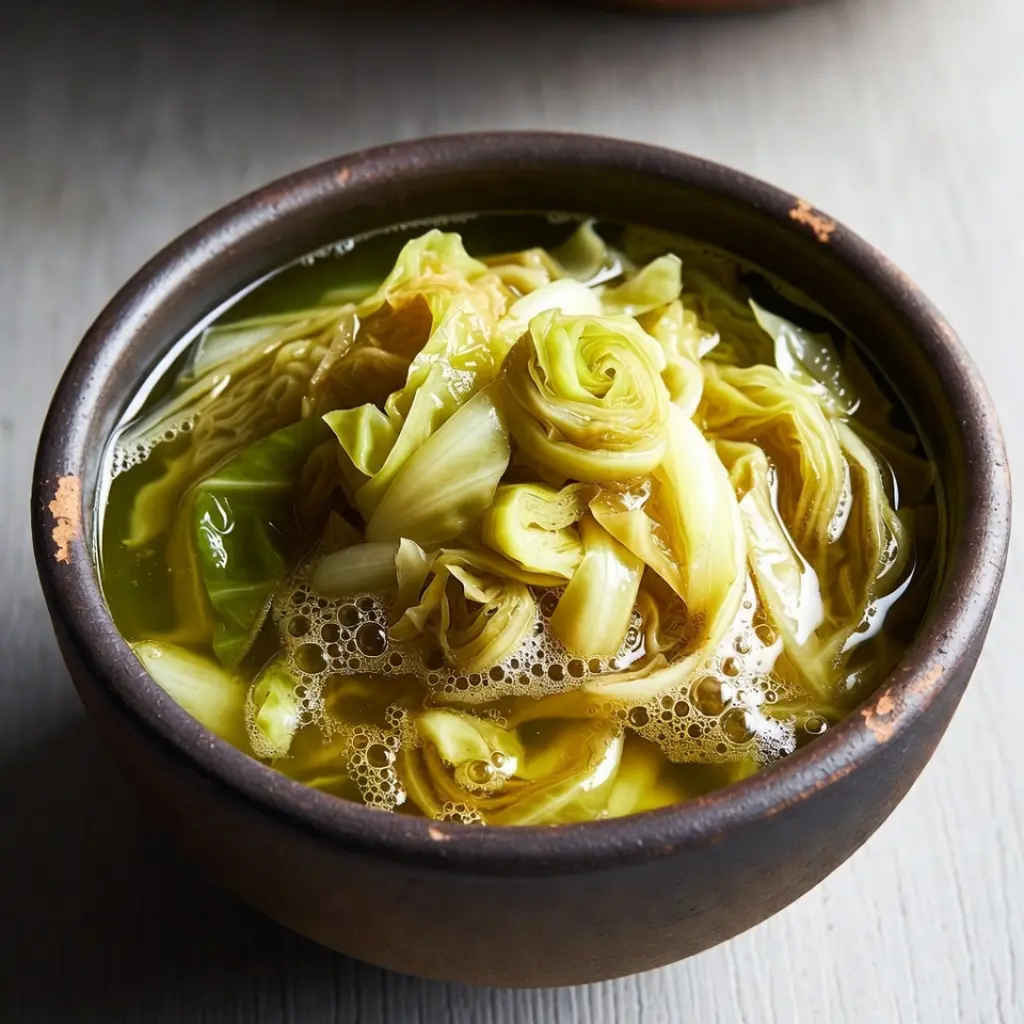
Ingredients for Fermented Cabbage
What You’ll Need
- 1 medium green cabbage (about 2–2.5 lbs)
- 1½ tablespoons non-iodized salt (sea salt or kosher salt)
- Optional flavor additions:
- Caraway seeds
- Juniper berries
- Garlic cloves
- Shredded carrots
Why These Ingredients Matter
Cabbage provides natural sugars that fuel fermentation. Salt draws out moisture, creating a brine while preventing harmful bacteria from growing. Optional add-ins allow you to customize flavor without complicating the process.
Step-by-Step Instructions: How to Make Fermented Cabbage at Home
- Prepare the cabbage
Remove outer leaves, core the cabbage, and slice thinly. Consistent slicing helps even fermentation. - Salt and massage
Place cabbage in a large bowl and sprinkle with salt. Massage firmly for 5–10 minutes until liquid releases. - Pack tightly
Transfer cabbage and its liquid into a clean glass jar. Press down firmly so cabbage is fully submerged. - Weigh it down
Use a fermentation weight or a small jar to keep cabbage below the brine. - Cover and ferment
Loosely cover and leave at room temperature (65–72°F). - Wait and taste
Begin tasting after 5 days. Fermented cabbage is ready when it’s tangy, crisp, and pleasantly sour.
Pro tip: Skim off any harmless white yeast that forms on top—this is normal.
Print
Fermented Cabbage recipe
- Total Time: Up to 14 days
- Yield: 1 quart
- Diet: Vegetarian
Description
A traditional fermented cabbage recipe made with simple ingredients and time-honored technique.
Ingredients
1 medium green cabbage (about 2–2.5 lbs)
1½ tablespoons non-iodized salt (sea salt or kosher salt)
Instructions
Prepare the cabbage
Remove outer leaves, core the cabbage, and slice thinly. Consistent slicing helps even fermentation.Salt and massage
Place cabbage in a large bowl and sprinkle with salt. Massage firmly for 5–10 minutes until liquid releases.Pack tightly
Transfer cabbage and its liquid into a clean glass jar. Press down firmly so cabbage is fully submerged.Weigh it down
Use a fermentation weight or a small jar to keep cabbage below the brine.Cover and ferment
Loosely cover and leave at room temperature (65–72°F).Wait and taste
Begin tasting after 5 days. Fermented cabbage is ready when it’s tangy, crisp, and pleasantly sour.
Pro tip: Skim off any harmless white yeast that forms on top—this is normal.
Notes:
Store refrigerated once desired flavor is reached.
- Prep Time: 20 minutes
- Cook Time: Ferment Time: 7–14 days
- Category: Fermented Foods
- Method: Fermentation
- Cuisine: Traditional
Creative Ways to Use Fermented Cabbage in Everyday Cooking
One of the most common questions I hear is what to actually make with fermented cabbage. The answer? Almost everything.
- Spoon it over grain bowls or roasted vegetables
- Add it to sandwiches, wraps, and burgers
- Stir into warm potatoes or noodles
- Serve alongside rich dishes like sausages or creamy casseroles
- Fold into salads for texture and brightness
It also pairs beautifully with comforting cabbage dishes, especially something indulgent like Garlic Parmesan Melting Cabbage, where the acidity cuts through richness.
How to Enjoy Fermented Cabbage Without Overthinking It
This tangy, crunchy vegetable is best eaten raw or lightly warmed, rather than cooked on high heat. Excessive heat can soften the texture and diminish the lively flavors that make it so appealing. Instead of serving it as a main dish, treat it as a finishing touch that adds brightness, texture, and a subtle tang to your meals.
A spoonful pairs wonderfully with grain bowls, sandwiches, roasted vegetables, or alongside hearty dishes. Its natural acidity cuts through richer foods and enhances even the simplest recipes. Used this way, it becomes an effortless flavor booster rather than something that requires heavy preparation.
Tips for Perfect Fermentation Every Time
Even though the process is simple, a few careful habits make a big difference:
- Use clean jars and utensils to prevent unwanted bacteria
- Ensure the cabbage stays fully submerged in its brine
- Store the jar away from direct sunlight during fermentation
- Trust your senses—smell for a clean, tangy aroma. Discard if any off or foul odors develop
Following these practices ensures a consistently crisp, flavorful, and safe result every time.
Follow me on pinterest to see more recipes
Frequently Asked Questions
What is Fermented Cabbage?
Fermented cabbage is cabbage that has been preserved through a natural fermentation process. Salt draws out moisture from the cabbage, creating a brine that encourages beneficial bacteria to grow. This results in a tangy, crunchy, and flavorful vegetable that is rich in probiotics and perfect for adding to a variety of dishes.
How Do You Make Fermented Cabbage at Home?
To make fermented cabbage, shred fresh cabbage and massage it with salt until it releases liquid. Pack the cabbage tightly into a clean jar, ensuring it is submerged in its brine. Cover loosely and let it ferment at room temperature for 7–14 days, tasting periodically until it reaches your preferred level of tanginess.
Can Fermented Cabbage Be Prepared in Advance?
Yes! Fermented cabbage can be made in advance and stored in the refrigerator for weeks or even months. Once it reaches the desired flavor, move the jar to the fridge to slow further fermentation. This makes it a convenient, ready-to-eat addition to meals whenever you need it.
How Long Will Fermented Cabbage Last?
Properly stored fermented cabbage lasts 2–3 months in the refrigerator, sometimes longer. Make sure the cabbage stays fully submerged in its brine and check for freshness before eating. Its flavor will continue to develop over time, becoming more complex and tangy.
Conclusion
Fermented Cabbage is proof that the simplest ingredients can create the most meaningful food. With nothing more than cabbage, salt, and time, you’re not just making a recipe—you’re participating in a tradition that spans generations.
I hope this guide inspires you to slow down, trust the process, and enjoy the quiet joy of fermentation. If you try this recipe, share it, save it, and let it become part of your own food story. After all, simple ingredients. Big love.